
Pacifiers. Binkies. Soothers. Whatever you call them, if your baby or toddler loves them, a pacifier can be the unsung hero of nap time and bedtime. The sanity saver of those final wake windows. When your baby or infant loves their pacifier, it feels like a lifeline. You probably also purchased whatever paci they loved best in bulk because pacis are life.
Baby Wakes Up Every Time Pacifier Falls Out
When it comes to soothing and helping babies fall asleep, pacifiers often come into play. Many parents find that offering a pacifier can be a source of comfort and security, easing their baby’s transition into sleep. According to the American Academy of Pediatrics, pacifiers can be a useful tool in reducing the risk of Sudden Infant Death Syndrome (SIDS), and they can help babies self-soothe.
However, it’s not uncommon for pacifiers to fall out during the night, leading to disrupted sleep; the unfortunate scenario where your baby wakes up every time the pacifier falls out. This can quickly become the most frustrating middle of the night game. Some nights it is a quick visit; you put the paci in and leave. Other nights, it is a back and forth endeavor that lasts an hour. If you’re struggling with this issue, you’re not alone. This post is dedicated to discussing what to do when your baby wakes up every time a pacifier falls out. Hopefully we can get all of you some more restful nights.
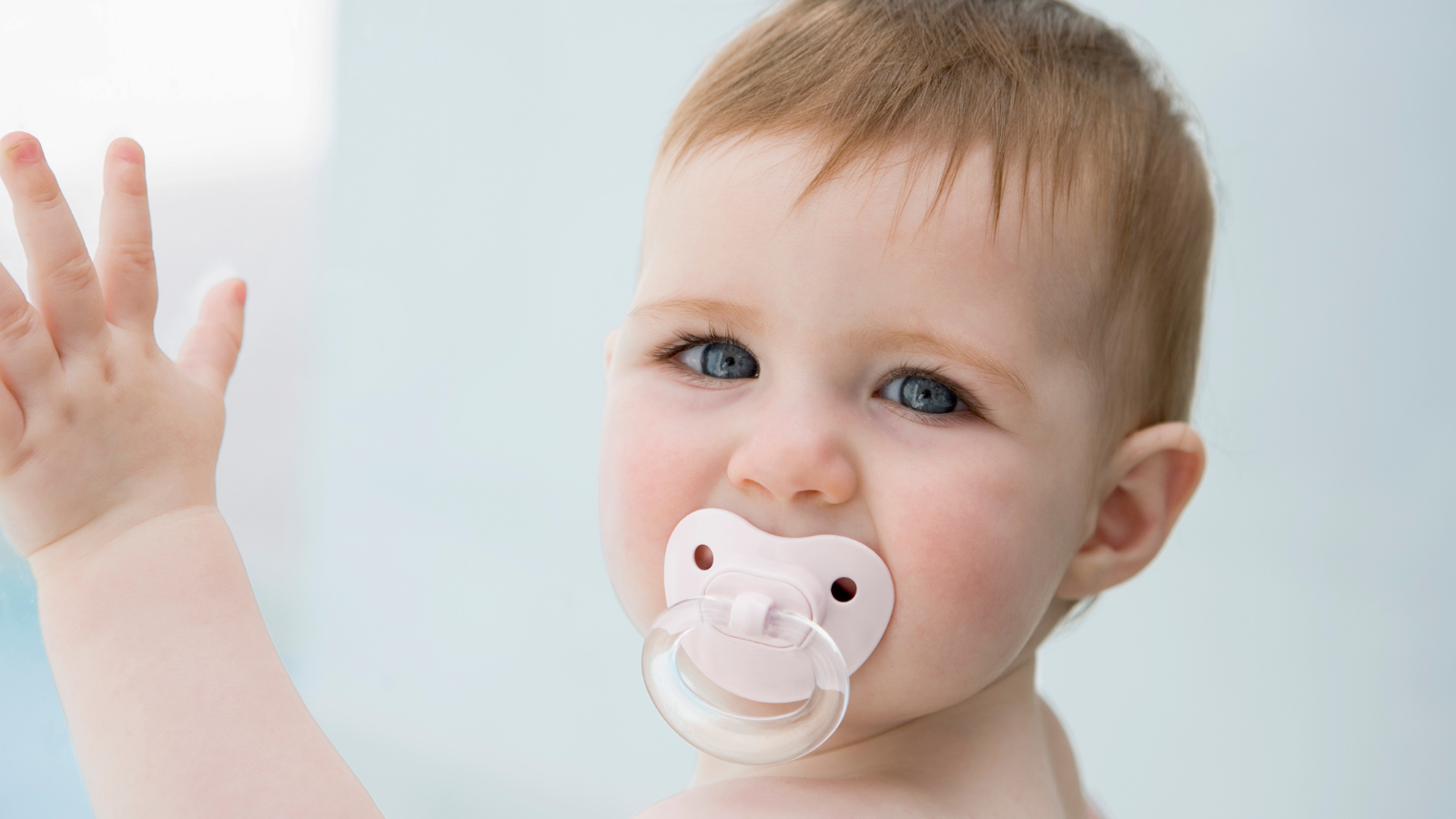
When a pacifier falls out of a baby’s mouth, it can interrupt their sleep cycle, causing them to wake up. This is especially common in babies who rely heavily on their pacifiers to fall asleep or stay asleep. The sudden disruption can be distressing for both the baby and the parents, leading to frequent awakenings throughout the night. Understanding why this happens and how to address it can make a significant difference in your baby’s sleep quality.
Why Baby Wakes Up When Their Pacifier Falls Out
Babies often use pacifiers as a part of their sleep routine, and it’s not unusual for them to wake up when the pacifier falls out. This interruption can be due to a few reasons:
Sleep Associations:
If a baby has become reliant on the pacifier to fall asleep, the absence of it can cause them to wake up. This is a common sleep association where the baby falls asleep with the pacifier and expects it to be there throughout their sleep. Working on independent sleep skills, where your baby is being set down awake, can help alleviate their dependence on the pacifier to fall asleep.
Disrupted Sleep Cycles:
Pacifiers can help babies transition between sleep cycles. When the pacifier falls out, it can interrupt this transition, causing the baby to wake up and become unsettled. Again, working on independent sleep skills so that your baby can transition between sleep cycles without a pacifier, can help alleviate disrupted sleep.
Comfort and Security:
The pacifier provides a sense of comfort and security. Without it, babies might feel insecure or unsettled, leading them to wake up.

How To Keep Pacifier From Falling Out
If your baby wakes every time the pacifier falls out, there are several strategies you can try to keep it in place, but please understand that there is no magic wand strategy to make that paci stay put:
Step 1: Choose the Right Size and Shape
Ensure that the pacifier you’re using is appropriate for your baby’s age and mouth size. Pacifiers come in various shapes and sizes, so choosing one that fits comfortably can help reduce the likelihood of it falling out.
Step 2: Use Pacifier Clips
Pacifier clips are a practical solution to keep pacifiers within reach. Attach the clip to your baby’s clothing to prevent the pacifier from falling too far away. Make sure the clip is secure but not too tight to avoid any potential choking hazards.
Step 3: Paci Party
Make sure that you have multiple pacifiers throughout your baby or infant’s crib. An important skill they need to learn is to replace that pacifier themselves. If the pacifier falls out, your baby or infant needs to learn how to replace it on their own. You can work on this skill during the day on a play mat to help encourage the generalization of the skill at night.

How To Wean Baby From Pacifier
If your baby is waking up frequently due to their pacifier falling out, it might be a good time to consider weaning them from it. Insanity is doing the same thing over and over again. If you find yourself replacing your infant’s pacifier over and over again, it is time to consider a change! Here’s a step by step approach to make the transition smoother:
Step 1: Gradual Reduction
Begin by reducing the number of times you offer the pacifier during naps and bedtime. This can help your baby adjust to falling asleep without it. Instead of replacing the pacifier every time they wake, offer the pacifier the first time they wake, and then not again. At that point, if they continue to struggle, you would implement your chosen sleep training method until they have fallen asleep.
Step 2: Cold Turkey
Or…you could implement the Cold Turkey Method. Begin by taking the pacifier and never giving it back. I’m serious…that is all. Some infants and babies really acclimate to “no pacifier” a lot faster than parents would imagine and taking it away all at once can be less confusing for some infants than gradually phasing out. Instead of waiting for their parent or caregiver to come give them the pacifier, which may never come, the pacifier no longer exists, and that concept is easier to grasp, understand, and move on from.
Step 3: Introduce Alternatives
Replace the pacifier with other comfort items such as a lovie, stuffed animals, or a soft blanket depending on their age. These can provide the same sense of security without relying on the pacifier. Be sure to choose items that are safe for your baby’s age.
Step 4: Adjust Bedtime Routine
Incorporate a consistent bedtime routine that doesn’t involve the pacifier. A calming routine, such as taking a bath (on bath night), diapering with lotion and pajamas, reading a book or singing a lullaby, can help your baby transition to sleep without the need for a pacifier. Make sure you set your little one down in the crib awake but drowsy. If you are setting your child down asleep, either by feeding them or rocking them, it will make this process more difficult.
Step 5: Be Patient and Consistent
Weaning off the pacifier can be done gradually or quickly but both methods require patience. Stick to your plan and be consistent with your approach. Understand that it may take some time for your baby to adjust fully, and be prepared for some resistance.
If you want more information on pacifier use, including how it affects newborns, check out this blog on newborn pacifier safety.
Pacifiers can be a great tool for soothing and helping babies fall asleep, but they can also lead to frequent awakenings if they fall out during the night. By understanding why your baby wakes up every time the pacifier falls out and implementing strategies (techniques) to keep it in place, you can help improve their sleep quality. Additionally, whether you choose to gradually wean or drop the pacifier cold turkey, less interrupted night sleep will definitely lead to more restful nights for you and your entire family.
It doesn’t matter whether you have an infant who is 6 months of age or you have a toddler who is 18 months of age, dropping a pacifier is tough for everyone. There may come a time when you feel like it is most appropriate developmentally to drop the pacifier. I would recommend consulting your pediatrician and dentist. Remember to be patient and consistent throughout the process, and always consider your baby’s comfort and security as you make these changes.
Sleep Shore Sleep Consulting
Are you up all night putting your baby’s pacifier in? If your child is unable to fall asleep, stay asleep, or wake up at a normal time, it may be time to consider sleep training. Sleep Shore offers personalized solutions for each unique sleeping situation to get your little one on track- whether they’re a newborn, infant, or toddler. We also offer in home sleep training services in the Boston, Massachusetts and Michigan area. Sleep training offers babies and children with the skills to fall asleep on their own so they can wake up feeling more well-rested- and in turn, you’ll feel more energized, too!
See what this mama had to say about our sleep services below:
“Danielle was a dream to work with! :) I purchased 1 week of sleep consulting with texting for my 6 m/o daughter. We had a previously good sleeper who was going through a regression and Danielle provided me with personable and achievable goals to help our daughter get back on track. What I appreciated about Danielle was that she gave me guidelines, not strict schedules which was helpful for our on-the-go family. We have two older children with busy school and activity schedules, so Danielle really took that into consideration and helped me navigate real-life scenarios. I now have the tools to help our daughter sleep better (both at night and during the day) and am very thankful for Danielle and Sleep Shore!” – Mom of a 6 month old